
Theatrical technical rider and communication between production and theatre.
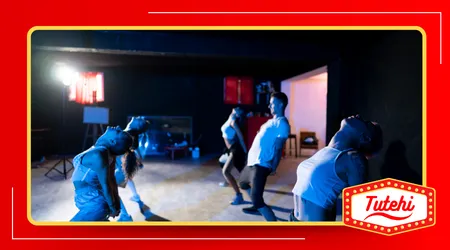
THE Theatrical technical rider It is configured as the master document to enable any show, serving as the definitive bridge between the artistic conception and the physical infrastructure available in the space.
Advertisement
In practice, a deep understanding of this technical roadmap minimizes operational risks and ensures the safety of artists, optimizing schedules in theaters that operate with demanding and dynamic agendas.
In this analysis, we will explore how to craft a document that truly works, the silent mistakes made in backstage negotiations, and best practices for aligning artistic expectations with the real possibilities on stage.
Summary
- What constitutes an effective technical rider?
- What are the main lighting and sound components?
- How does the rider facilitate communication with the theater?
- What are the risks of an outdated document?
- Conclusion and FAQ
What constitutes an effective technical rider?
Creating a comprehensive document requires absolute clarity regarding lighting, sound, machinery, and set design, avoiding vague descriptions that often lead to frustrating impasses with the reception team when the time comes to actually go.
The producer needs to list in detail the stage dimensions and the voltage of the outlets, as well as the exact number of lighting bars needed to support the lighting setup without dangerous improvisations.
Advertisement
Including direct contact information for those responsible for each sector speeds up the resolution of technical bottlenecks even before the truck arrives, saving valuable hours that would be wasted on useless phone calls during assembly.
One Theatrical technical rider A well-structured plan presents floor plans in accessible formats, such as PDF or CAD files, allowing the venue's technical director to study the actual feasibility of that artistic proposal.
Terminological precision is vital here to avoid ambiguities, using industry-standardized nomenclature to describe specific equipment, such as digital consoles or high-performance LED spotlights in 2026.
Mentioning loading and unloading requirements, including the availability of docks and elevators, prevents logistical surprises that often delay the start of trials and increase stress for the entire company.
+ Quick costume changes and the logistics behind the scenes.
What are the main lighting and sound components?
In the area of lighting, the document needs to specify the number of ellipsoidal and moving heads, detailing beam angles and essential accessories for composing the scenes that the director envisioned on paper.
The sound aspect demands extra attention to PA systems, wireless microphone specifications, and in-ear monitoring—elements that determine whether the actor's vocal performance will reach the last row clearly.
It is essential that the production indicates preferred brands and models, but always offering viable alternatives, since excessive rigidity can make it impossible to tour the show in venues with fewer resources.
The table below summarizes the critical components that should be included in any professional document to ensure that the theater's basic infrastructure can support the minimum demands of the production without any problems.
+ Stagecraft in theatre and the technical construction of sets.
Critical Infrastructure Items
| Category | Essential Item | Technical Observation |
| Lighting | Light Map | Detailed X, Y, and Z coordinates |
| Sound | Feedback Rider | Interference-free frequencies |
| Stage | Machinery Rider | Maximum load of the support rods |
| Logistics | Load Plan | Opening hours and dimensions |
| Dressing Rooms | Hospitality Plan | Air conditioning and access needs |
How does the rider facilitate communication with the theater?

The fluidity between the traveling production team and the in-house team depends on the ability to anticipate problems through... Theatrical technical rider, eliminating grey areas of communication on the day of the event.
When the theater receives a minimally organized document, the scheduling of technicians becomes more accurate, reducing overtime costs and ensuring a much more balanced work environment for those who operate the theater.
Prior negotiation based on the rider allows venue managers to flag equipment undergoing maintenance, enabling production to seek external locations in advance and, consequently, at much more affordable prices.
This alignment strengthens mutual trust, transforming the technical setup into a truly collaborative process, far removed from the "arm wrestling" atmosphere that often haunts the backstage of Brazilian performing arts.
A transparent document also serves as a legal safeguard in cases of non-compliance, proving that the basic requirements for the project were communicated and accepted by the parties before the contract was signed.
+ Lighting design in theater and its function in the performance.
What are the risks of an outdated document?
Using an old file is a common and dangerous mistake, resulting in a lack of crucial equipment and forcing last-minute artistic adaptations that compromise aesthetic quality and the safety of the team.
Often, the replacement of an actor or a minor set change is not reflected in the script, causing avoidable confusion in dressing room reservations and the physical arrangement of elements on stage.
THE Theatrical technical rider It needs to be revised each season to incorporate technological advancements, such as new lighting control software that may be incompatible with older control consoles in some venues.
Ignoring updates to electrical power requirements can overload the theater's system, creating risks of short circuits or unexpected shutdowns during the performance, which would be an absolute disaster for the production.
Neglecting to maintain this document reveals a lack of professionalism, closing doors in renowned cultural venues that demand absolute technical rigor before lending their stages to outside groups and productions.
The success of a production lies in the precision of the shared details, where the rider acts as the main instrument of governance and technical organization between the artistic dream and physical reality.
Investing time in crafting a robust document directly reflects on the peace of mind of the artists and the excellence of the audience experience, consolidating the reputation of all professionals who work behind the scenes.
Mastering the nuances of Theatrical technical rider It is an indispensable skill for anyone who wishes to work seriously and efficiently in the competitive cultural market that is shaping up for this year, 2026.
By treating technical communication with the same care dedicated to artistic creation, the productions raise the standard of delivery, ensuring that the magic of theater happens without amateur mishaps backstage.
To deepen your knowledge about the management of cultural spaces and incentive laws that enable these structures, visit the official website of... Ministry of Culture.
FAQ – Frequently Asked Questions
What is the difference between a technical rider and a stage plot?
The rider is a comprehensive dossier outlining logistical and operational needs, while the stage map is the geometric drawing of the position of each spotlight, microphone, and set piece in the space.
Who should sign off on the technical rider?
The document needs the signature of the production's technical director and the theater manager, legally validating that both agree to the conditions and equipment listed for that season.
Can I send the rider only on the day of assembly?
This is an invitation to disaster. Ideally, the request should be sent 30 days in advance so that the theater can organize the technical schedule, review the inventory, and identify any incompatibilities in a timely manner.
What should I do if the theater doesn't have an item from my rider?
The production company must negotiate a similar technical replacement or arrange for its own rental. The rider serves precisely to identify these gaps before the truck arrives at the dock.
Should food items be included in the technical rider?
Although they are different requirements, it is common to attach the "Hospitality Rider" to the technical document to centralize all the company's personnel and logistics infrastructure needs in one place.