
Stage setup before the show
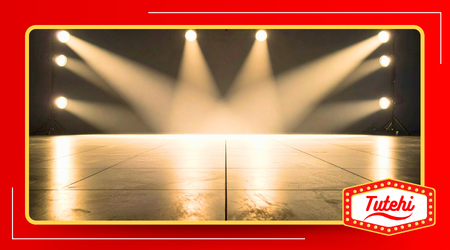
The excellence of a theatrical production depends directly on stage organization before the curtains open to the public.
Advertisement
This structured technical planning ensures the safety of the cast and the chronological accuracy of each scheduled scene.
Mastering the behind-the-scenes operations requires strict adherence to setup schedules, detailed lighting plans, and effective preventative routines.
Intelligent management of operational spaces prevents serious accidents and optimizes the collective work of the entire team.
In this practical guide, you will understand the gears that drive efficiency behind the scenes in modern theater.
Advertisement
Discover the essential methods, task divisions, and answers to the main questions in the sector.
Table of Contents
- Who are the professionals responsible for setting up the scene?
- How to map physical space strategically?
- Which equipment requires priority inspection before the show?
- Practical Table: Behind-the-Scenes Technical Schedule
- How to mitigate risks and ensure safety during assembly?
- Conclusion
- Frequently Asked Questions (FAQ)
Who are the professionals responsible for setting up the scene?
The stage manager leads this complex machine, directly coordinating the set design, lighting, and sound teams.
This manager ensures the exact execution of the technical plan developed during the general testing of the part.
Below him, the stagehands execute the physical movement of the set objects and furniture with speed and precision.
They memorize the exact placement of each item to preserve the aesthetic continuity of the visual narrative.
Lighting technicians and sound engineers complete this essential team in the minutes leading up to the performance.
These professionals test audio channels, fine-tune overhead spotlights, and calibrate microphones essential to the cast.
How to map physical space strategically?
Marking the floor with colored adhesive tape delineates critical circulation areas and positions heavy sets. This visual signaling guides the actors during partial blackouts or quick costume changes backstage.
Managing lateral flow involves keeping escape routes completely unobstructed for potential emergency evacuations.
The correct one stage organization It eliminates physical obstacles that could delay an actor's immediate entry onto the stage.
Designating specific zones for stage props prevents material losses and speeds up the work of the stagehands. Each object should occupy a pre-marked space on the support tables located on the sides.
International safety organizations recommend rigorous inspections of the physical structure of the stage area before any technical rehearsal.
Compliance with these operational standards protects professionals against failures in heavy suspension machinery.
+ Theatrical technical rider and communication between production and theatre.
Which equipment requires priority inspection before the show?
Stage rigging systems and suspension machinery require load testing and verification of steel cables.
Breakdowns in these structures can cause immense tragedies and permanently disrupt the scheduled theatrical season.
The electrical grid and digital lighting racks require constant preventive voltage measurements.
Worn cables cause dangerous short circuits and compromise the operation of automated projectors and reflectors on stage.
Wireless microphones and ear monitoring systems require completely new batteries for each new session.
The audio operator assesses local radio frequencies to mitigate unwanted external electromagnetic interference.
Proper alignment of the monitor settings ensures that the actors can clearly hear the musical tracks being played.
This technical care prevents timing errors and mismatches in the execution of complex choreographies.
+ Fragmented theater and the breaking of narrative linearity.
Practical Table: Behind-the-Scenes Technical Schedule
Below, we present a recommended time structure to optimize daily technical procedures within a professional theater:
| Relative Time | Main Activity | Direct Supervisor | Operational Focus |
| 4 Hours Before | Sweeping and Cleaning the Floor | Support Team | Fall protection |
| 3 Hours Before | Light Tuning and Sound Test | Audio/Lighting Technicians | Cable and conduit inspection |
| 2 Hours Before | Set Design Positioning | Rules | Checking for markings on the floor |
| 1 Hour Before | Microphone Test with Cast | Stage Director | Final adjustment of gain and volume. |
| 30 Minutes Before | Stage Freeze (Stage Freeze) | The Whole Team | No movement on the scene |
How to mitigate risks and ensure safety during assembly?
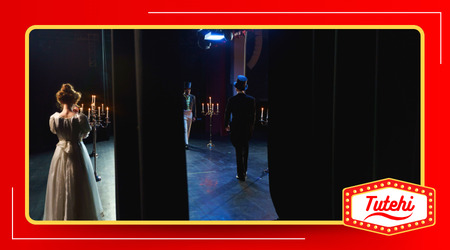
Installing low-intensity lighting in the wings allows for safe navigation of technicians and actors in the dark around the scenes.
Fluorescent strips applied to steps and corners drastically reduce the risk of dangerous tripping hazards in the dark.
The application of flame-retardant products to curtains and fabric stage elements is a strict legal requirement.
The Fire Department inspects these certifications to authorize the operation of public and private cultural spaces.
Stagecraft professionals must use Personal Protective Equipment, such as helmets and reinforced footwear, during heavy assembly work.
National regulations stipulate severe penalties for companies that neglect the protection of their workers.
The appropriate stage organization Consider the maximum weight supported by the automated or manual rods installed on the ceiling.
Exceeding these technical limits established by the manufacturers puts the physical integrity of the entire production at risk.
Modern logistics planning integrates sustainability by reusing structural materials in different stage productions.
What are the most common mistakes in stage organization and how can they be avoided?
Haste during assembly often leads the technical team to skip crucial double-checking steps.
The most common mistake lies in neglecting loose cabling in the wings, an open invitation to tripping and accidental equipment shutdowns in the middle of a session.
Solving this requires the religious use of rubberized cable glands and high-adhesion tape on all traffic routes.
Another critical oversight is the lack of aligned communication between the stagehand and the lighting operator during set changes.
If a moving element enters the stage before the complete blackout, the theatrical illusion is instantly broken for the audience.
Thoroughly rehearsing the technical transitions, and not just the actors' scenes, eliminates this visual mismatch.
Finally, ignoring the recommended weight map for the suspension rods can compromise the entire structure of the theater.
The accumulation of spotlights and heavy scenery on the same structure causes fatigue in the steel cables over time.
Maintaining an up-to-date load chart and respecting the venue's operational limits protects the physical integrity of the cast and the cultural space's assets.
+ Stage counterweights and the mechanics of suspended sets.
Conclusion
Meticulous backstage preparation dictates the pace and success of any professional artistic performance in today's market.
Neglecting steps in this technical planning process compromises the performance of the actors and puts human lives at real risk.
Investing time in equipment inspections, brand mapping, and team training raises the level of production.
The memorable spectacle is born in the silence of the staged setting, long before the first applause from the audience.
Ensuring standardized inspection procedures protects the theater's material assets and consolidates the reputation of the producers involved. Professionalism behind the scenes is the invisible foundation that sustains the magic of the performing arts.
Frequently Asked Questions (FAQ)
What does the term mean? Stage Freeze Or stage freeze?
This technical protocol expressly prohibits anyone from being on stage approximately thirty minutes before the start of the performance. This period ensures the area is isolated for the director's final visual inspection.
What is the importance of the color black in the clothing of backstage technicians?
The matte black costumes minimize light reflection backstage, making the technicians invisible to the audience during scene changes. This visual neutrality preserves the audience's immersion in the story being staged.
How often should safety tests be performed in theaters?
Complete structural inspections are carried out every six months, but operational checks of cables and harnesses must be performed daily before each house opening. Daily prevention avoids unexpected catastrophic failures.
How does air humidity affect the tuning of instruments and stage scenery?
Sudden variations in humidity alter the tension of wooden sets and throw acoustic musical instruments out of tune. Environmental climate monitoring maintains the stability of materials and sound quality.
Which adhesive tapes are recommended for marking the stage floor?
The type of tape predominantly used is... gafferbecause it has high resistance, does not reflect light, and leaves no glue residue on the linoleum floor after removal.
To deepen your knowledge about the management of safe public spaces and cultural events in Brazil, you can access the official safety guidelines issued by... Ministry of Culture, which guide the technical compliance of the sector.