
Absurd genre in theater explained
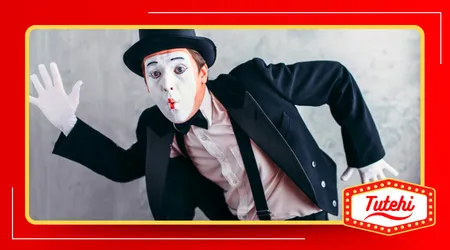
In the first line of the introduction, the absurd genre It stands out as one of the most fascinating and revolutionary movements in world dramaturgy in the 20th century.
Advertisement
This artistic approach radically transformed the traditional structure of the pieces, subverting logic, time, and conventional language itself.
With deep roots in the post-war period, the movement reflects the disillusionment of an era marked by collective global traumas.
Understanding this aesthetic requires a close look at its main characteristics, specific historical contexts, and the major figures who shaped the movement.
Throughout this article, you will discover how the apparent nonsense of these works actually carries a profound and sharp social and philosophical critique.
Advertisement
The comprehensive overview of the topic will guide your reading through the fundamental points listed below.
Table of Contents
- The historical emergence of the movement in the postwar period.
- Key authors and fundamental works of theater
- Dramatic structure and a break from conventional logic.
- Comparative table with real movement data.
- The contemporary legacy on today's stages
What is the absurd genre in theater?
This theatrical movement emerged in Western Europe during the 1950s, driven by the feeling of existential angst following the Second World War.
The term was originally coined by the renowned Hungarian critic Martin Esslin in his book of the same name, published in 1961.
The central objective was to classify works that challenged the conventions of realism and classical drama.
Instead of linear plots with a clear beginning, middle, and end, the absurd genre It presents circular situations and characters trapped in repetitive routines.
Communication constantly fails, demonstrating the human inability to express complex thoughts in a world that has lost its traditional religious and moral references.
The ridiculous and the tragic walk hand in hand in the scenes.
The disjointed dialogues and minimalist settings serve to amplify the feeling of isolation and helplessness of the modern individual.
Far from being merely purposeless entertainment, this aesthetic provokes the audience to reflect on freedom, mortality, and the constant search for meaning. The lack of logic is a mirror of existence itself.
What are the main characteristics of this theatrical style?
The breaking of conventional narrative structure defines the visual and textual identity of these remarkable theatrical productions.
Time is often fluid or static, making actions seem to lead nowhere. This dramatic immobility perfectly reflects the existential paralysis theorized by philosophers of the time.
Another crucial point lies in the active deconstruction of everyday verbal language between the actors on stage.
Words lose their usual informative function, transforming into rhythmic games, exhaustive repetitions, prolonged silences, and clichés devoid of real meaning.
Silence speaks as loudly as the truncated dialogues themselves.
The stage setting also abandons descriptive realism in favor of a purely metaphorical and expressionistic atmosphere.
Common objects take on immense proportions or bizarre functions, while desolate settings reinforce the inner emptiness of the characters portrayed.
Each visual element contributes to the creation of a dreamlike atmosphere.
Who were the authors who revolutionized the absurdist genre?
Irish writer Samuel Beckett leads the movement with his masterpiece produced in French, Waiting for Godot.
The play depicts two vagrants on a deserted road awaiting a mysterious figure who never arrives. This minimalist narrative transformed the course of Western dramatic literature.
Eugène Ionesco stands as another indispensable pillar, bringing a more satirical approach focused on tragicomedy.
In The Bald SingerThe Romanian-born, naturalized French author exposes the absurdity of bourgeois life through dialogues completely devoid of causal connection. His writing criticizes social conformism.
Arthur Adamov and Jean Genet also made valuable contributions, exploring political alienation and complex power relations.
Each of these playwrights used the absurd genre to channel their individual anxieties, creating a unique aesthetic signature that influenced later generations of directors.
How did the historical context shape the pieces of that era?
The Old Continent was devastated both materially and psychologically after the horrors perpetrated during the Holocaust and the atomic bombings.
The scientific promises of linear progress for humanity crumbled in the face of the technological barbarity seen on the battlefields. Previous optimism gave way to profound skepticism.
Prevailing philosophies such as the existentialism of Jean-Paul Sartre and Albert Camus directly influenced the mindset of artists residing in Paris.
The idea that human life has no intrinsic purpose guided the creation of these new pieces. Theatre became the perfect vehicle to materialize these concepts.
In this way, the stage abandoned its function of preaching moral lessons or telling uplifting stories of heroism.
The objective became the direct confrontation of the spectator with the void and the need to create their own meaning. Art responded to the historical crisis with radical innovation.
+ Verbose theatre and excess as dramatic language
Data and historical milestones of the movement
The productions from this period left clear records of mixed critical reception and subsequent acclaim on the biggest international stages.
The table below chronologically organizes real events that solidified the movement in the history of world art.
+ How modern tragedy reinvented the hero on stage.
| Year of Debut | Important Work | Playwright Author | Cultural and Historical Impact |
| 1950 | The Bald Singer | Eugène Ionesco | Initial break with the bourgeois theater model in Paris. |
| 1953 | Waiting for Godot | Samuel Beckett | An international success that defined the aesthetic direction of the decade. |
| 1958 | The Cradle of the Hero | Harold Pinter | Introduction of movement techniques to the British theatrical scene. |
| 1961 | The Theatre of the Absurd | Martin Esslin | Publication of the critical essay that named and unified the genre. |
What is the legacy of the movement in contemporary theater?

The influence of this aesthetic rupture extends far beyond the chronological boundaries of the last century, shaping current modern productions.
Contemporary directors use biting humor and temporal fragmentation to engage with the hyper-connected digital age. The absurd has migrated from the stage to everyday electronic screens.
Contemporary playwrights are reviving the deconstruction of language to portray the social isolation caused by excessive screen time.
The feeling of repetition and emptiness takes on new textures in a world saturated with instant information.
THE absurd genre It remains alive because our search for real connections continues to fail.
Scholars of the renowned The Drama League They point out that the techniques of Beckett and Ionesco paved the way for minimalism and for contemporary performance theatre.
By freeing dramatic writing from the constraints of photographic realism, the movement infinitely expanded the poetic possibilities of the world stage.
What are the main characteristics of this theatrical style?
The breaking of conventional narrative structure defines the visual and textual identity of these remarkable theatrical productions.
Time is often fluid or static, making actions seem to lead nowhere.
This dramatic immobility perfectly reflects the existential paralysis theorized by philosophers of the time.
Another crucial point lies in the active deconstruction of everyday verbal language between the actors on stage.
Words lose their usual informative function, transforming into rhythmic games, exhaustive repetitions, prolonged silences, and clichés devoid of real meaning.
Silence speaks as loudly as the truncated dialogues themselves.
The stage setting also abandons descriptive realism in favor of a purely metaphorical and expressionistic atmosphere.
Common objects take on immense proportions or bizarre functions, while desolate settings reinforce the inner emptiness of the characters portrayed.
+ The influence of comedy of manners on Brazilian culture
Conclusion
Diving into the deep waters of nonsense reveals that this approach was never about mere madness or a lack of textual creativity.
It is a courageous mirror held up to a fragmented society, inviting each individual to confront their own truths and fragilities. The apparent lack of logic generates a profound artistic meaning.
The continued presence of these works in the repertoire of major global companies proves the universality of their most cherished special themes.
By challenging the rigid structures of the past, these authors bequeathed an unprecedented formal freedom to the creators of the present. Theatre was forever transformed through this audacity.
Understanding these dynamics broadens our critical perspective not only as art viewers, but as citizens of the 21st century.
To continue exploring the transformations of dramatic language and the biographies of great thinkers in the performing arts, follow the research regularly published on the performing arts portal of [website name]. Funarte.
FAQ – Frequently Asked Questions
Who coined the term "theatre of the absurd"?
Theatre critic Martin Esslin coined the term in his book published in 1961. He grouped under the same concept authors who wrote independently but shared similar themes.
What is the difference between existentialism and the absurd genre?
Existentialism discusses emptiness through logical philosophical debates and traditionally structured pieces. absurd genre It embraces the chaos and lack of logic in the structure of the piece.
What is the importance of the play Waiting for Godot?
This work encapsulates the movement by depicting the futile wait for something that never arrives. It proved that a piece can capture the audience's attention without relying on an action-packed narrative.
Are plays of this style considered comedies or tragedies?
They blend the two concepts in an inseparable way, generating what critics call tragicomedy. The audience laughs at the ridiculous situations, but feels discomfort with the sad reality of the characters.