
How site-specific theatre transforms everyday spaces.

THE site-specific theatre It shatters the predictability of large metropolises by reclaiming squares choked with traffic or forgotten historical buildings, transforming them into stages.
Advertisement
This approach doesn't rely on the traditional theatrical black box. It prefers to weave urban architecture and the scars of local memory directly into the very flesh of the narrative.
Understanding how this art form actually operates requires a deep dive into how it redefines routine and gives citizens back the right to reclaim the streets.
Article Summary
- What defines site-specific theatre?
- What are the impacts of this art on cities?
- How does physical space dictate the narrative itself?
- What are the main differences from the traditional model?
- FAQ: Frequently asked questions about the topic
What defines site-specific theatre?
There is something profoundly radical about site-specific theatreThe artwork simply refuses to exist if it is torn away from the exact piece of land where it originated.
Forget portable sets that travel in trucks. Here, the creators prefer to tame the twilight light, the echo of corridors, and the noise of engines.
Advertisement
The world's largest cities are witnessing this development with a mixture of surprise and urgency, seeing previously avoided corners transform into centers of pure poetic effervescence.
The viewer loses the comfort of their upholstered seat and the right to passivity. They need to wear out their shoe soles if they truly want to follow the story.
This direct contact with the concrete forces the public to rediscover textures and smells that the rush of daily life often erases from our daily visual perception.
What are the impacts of this art on cities?
Interventions based on site-specific theatre They do more than decorate the street; they shake up urban planning by shining a light on entire neighborhoods that seemed invisible.
There is a strong emotional component when the neighborhood sees its own history reenacted on the sidewalk, rescuing local chronicles that real estate speculation shamelessly loves to bury.
This movement decentralizes access to culture and boosts small, peripheral businesses, revitalizing the creative economy away from the city's traditional, wealthy consumer centers.
Several independent companies use this aesthetic occupation to give voice to pressing social urgencies, transforming gray viaducts and disused public schools into platforms for debate.
Ultimately, the city ceases to be merely a pile of concrete and gains the status of a historical document that is rewritten with each session.
How does physical space dictate the narrative itself?
Directors dedicated to site-specific theatre They don't buy ready-made texts and then look for a nice wall; the process works in exactly the reverse order of commercial logic.
A leak in the wall, a rusty gate, or the distant sound of a train serve as triggers for the actors to create their physical and textual scores.
No award-winning set designer can reproduce the true weight of time etched into the bricks of an abandoned factory, no matter how many financial resources their production has.
The desk work begins with conceptual shovels and pickaxes: researching public archives, deciphering old certificates, and attentively listening to the oral accounts of the oldest residents.
To understand the critical developments of this scenic occupation in recent decades, it is worthwhile to refer to the detailed analyses preserved by Itaú Cultural Encyclopedia.
What are the main differences from the traditional model?
Abandoning the proscenium stage dismantles the entire bourgeois ritual of the spectacle, breaking down that invisible barrier that protects the actor and keeps the spectator at a safe distance.
In conventional theater, control is total; in performances that take to the streets, the unexpected—a honking horn or rain—is welcomed with open arms.
State-of-the-art spotlights are giving way to the harsh lighting of streetlights or to the spotlights of flashlights that the audience themselves handle along the way.
Below, we have organized the practical contrasts that show how these two experiences operate at almost opposite poles within the cultural machinery.
+ How modern tragedy reinvented the hero on stage.
Comparison: Traditional Theatre vs. Site-Specific Theatre
| Analysis Criteria | Traditional Theatre (Italian Stage) | Site-Specific Theatre |
| Set design | Built and transportable | Real architecture of the place |
| Relationship with the Public | Distant, passive, and seated. | Immersive, active and itinerant |
| Urban Unexpected Events | Controlled or non-existent | Integrated into the work itself |
| Narrative Focus | Pre-existing dramatic text | History and memory of space |
| Accessibility | Restricted to cultural buildings | Decentralized in cities |
How does the audience behave in this experience?
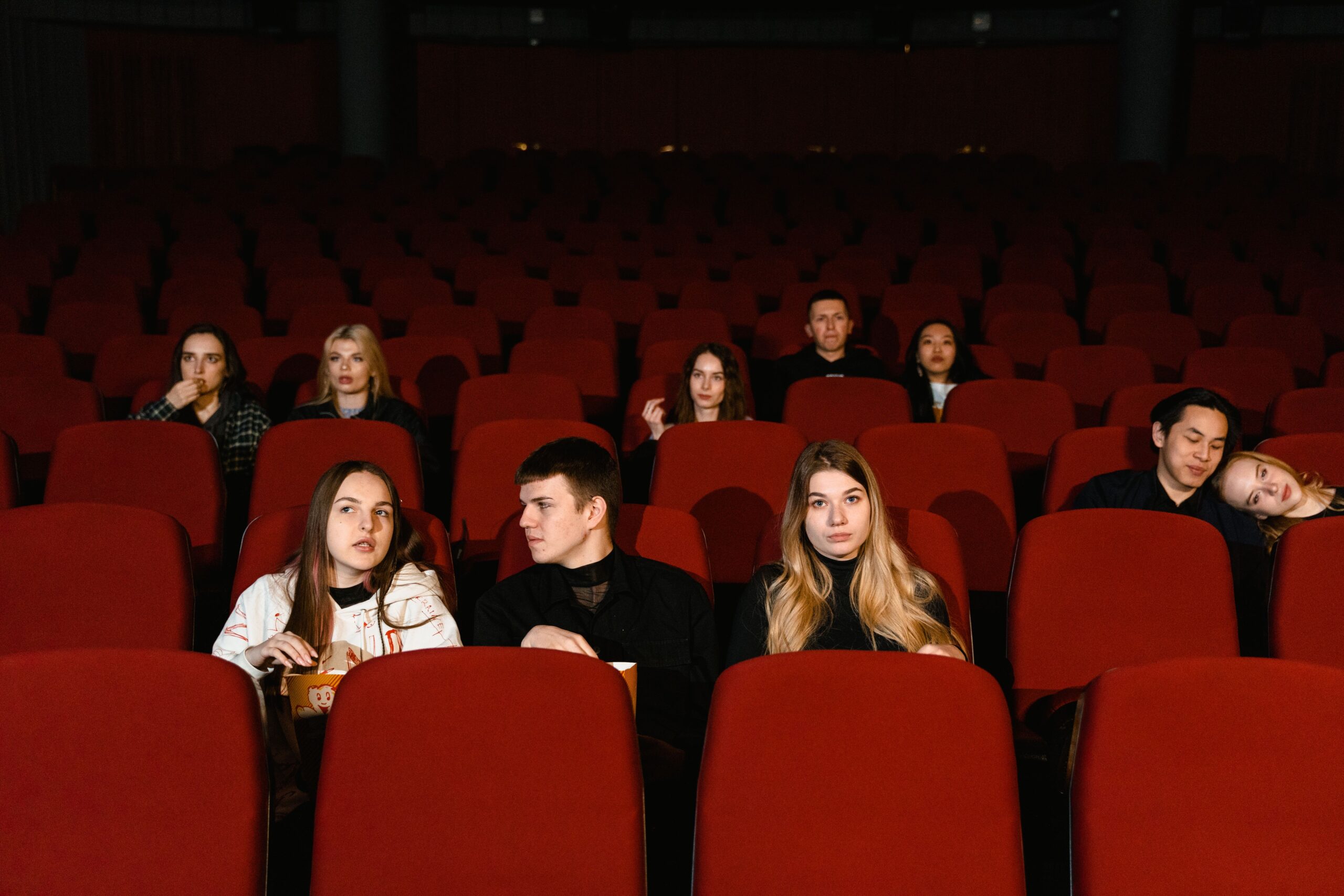
The definitive fall of the fourth wall in site-specific theatre It requires agility from the viewer, since the body needs to move around the rooms.
This almost uncomfortable proximity to the actor's skin generates bursts of empathy that large theaters rarely manage to evoke in the viewer.
You begin to smell the mold, feel the cold wind from the alley, and sense the vibration of the floor, transforming the act of seeing a play into a physical event.
There is no ideal center seat: each person chooses where to stand and which detail to prioritize, creating their own version of the spectacle in their mind.
This autonomy returns to the citizen the role of investigator, who decides for themselves whether they prefer to see the whole picture or focus on the crack in the door.
+ Existentialist drama and the crisis of the modern subject.
Who are the world's leading figures in the genre?
International companies shaped the site-specific theatre by creating true box office phenomena that altered the cultural tourism itineraries of cities like London.
The British group Punchdrunk is the most emblematic case, reconstructing entire hotels in abandoned warehouses so that the audience can explore hundreds of hyper-detailed scenarios for hours.
Here, historical collectives establish their bases in former asylums, deactivated prison complexes, and dead railways to rummage through the entrails of our national political memory.
Making these gigantic productions viable requires bureaucratic patience, engineering inspections, and complex negotiations with public bodies responsible for preserving state-listed heritage sites.
The impact of these seasons often outlives the performances, changing the emotional connection of those who pass by those addresses on ordinary workdays.
What are the technical challenges of these productions?
Produce site-specific theatre It's about learning to embrace the chaos of unstable weather, the noise of heavy traffic, and the lack of electrical outlets.
Ensuring the safety of dozens of people walking in the dark through centuries-old buildings requires rigorous assessments, clear evacuation routes, and well-trained support teams.
The cast needs the physical conditioning of an athlete and a well-tuned voice to overcome street noise without the comfort of wireless microphones.
If a storm hits in the middle of a session, the team needs to activate rapid evacuation plans to protect the equipment and the safety of the audience.
It's hard work and expensive, but the freshness of a scene that resonates with real life makes up for every logistical headache suffered behind the scenes.
+ The influence of comedy of manners on Brazilian culture
How to begin research for a show of this type
The starting point for erecting a montage of site-specific theatre It's about finding a corner of the city that seems to scream for an urgent artistic response.
The creators need to spend long days simply inhabiting that ground, mapping the behavior of pedestrians, the cycles of sunlight, and the silences of the place.
Flipping through old newspapers, opening boxes of forgotten photographs, and listening to the stories of the oldest residents helps to awaken the dormant memories within those walls.
The writing of the piece emerges from this process of attentive listening, allowing the natural inclination of the space to dictate the rules instead of forcing aesthetic concepts.
To understand the rules governing the use of these collective territories and the laws promoting their development, it is worth consulting the occupancy manuals of... Federal Government Portal.
FAQ: Frequently asked questions about the topic
What does the term "site-specific" mean in theatre?
It is a production designed for a specific space, making the architecture and context of that place fundamental elements of the proposed staging.
Can any space accommodate site-specific theatre?
Yes, provided it guarantees the safety of visitors and presents a historical or architectural significance that aligns with the group's research.
What is the difference between street theatre and site-specific theatre?
Street theatre uses space in a generic and adaptable way. site-specific theatre He dies if he is transferred to another corner.
How should the audience prepare to watch?
Forget formal attire. Go in light clothing, comfortable walking shoes, and be prepared for the unexpected in an urban environment.