
Digital audio mixing console for theater and sound control of the play.
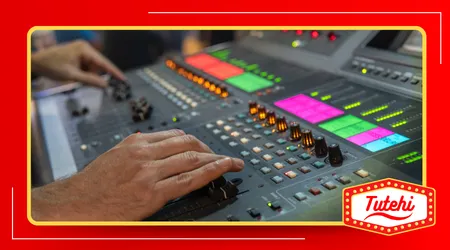
THE digital theater audio mixing console He revolutionized sound design on modern stages, transforming the way we design, mix, and control sound in live performances.
Advertisement
This technology offers operators millimeter precision, allowing every nuanced interpretation of the actors to be amplified with unparalleled fidelity and dynamism.
In this article, you will understand the impact of this equipment on stage sound reinforcement, its main technical functionalities, and how to choose the ideal model for your cultural space.
Summary
- What is a digital theater audio console?
- What are the advantages of digital consoles in theater?
- How does automation optimize sound control?
- Which brands dominate the professional market?
- How do you choose the ideal equipment for your piece?
- Conclusion
- Frequently Asked Questions (FAQ)
What is a digital theater audio console?
Unlike older analog consoles, this equipment processes sound signals using computational algorithms, converting the acoustic wave into high-resolution binary data.
This architecture allows hundreds of functions, such as parametric equalizers, compressors, and spatial effects, to be integrated into a single compact and highly intuitive physical panel.
Advertisement
In the context of the performing arts, the digital theater audio mixing console It acts as the brain of the sound system, managing wireless microphones, soundtracks, and complex routing.
The versatility of digital processing eliminates the need for gigantic external racks of peripherals, optimizing physical space in the often cramped technical booths of theaters.
Furthermore, the stability of current software ensures that the show runs smoothly without interruptions, offering a high sampling rate for maximum home audio fidelity.
What are the advantages of digital consoles in theater?
The main advantage lies in the ability to instantly save and revive settings, a feature known in technical jargon as... total recall of musical scenes.
If a play has thirty actors who take turns on stage, the operator can program specific gain and equalization settings for each microphone individually.
The use of digital theater audio mixing console It drastically minimizes human error during the execution of sound triggers, delivering a fluid performance for the audience.
Another crucial point is network connectivity through modern protocols such as Dante, AVB, or Madi, which simplify structured cabling throughout the theater ecosystem.
These protocols transport dozens of digital audio channels over a single common network cable, reducing electromagnetic interference and unwanted noise in the system.
Finally, portability and the possibility of remote control via tablets allow the sound engineer to fine-tune the system alignment while seated directly in the audience.
How does automation optimize sound control?
Theater automation goes far beyond simply having the sound operator automatically change the volume of background music between scenes.
It allows you to program millimeter-precise fades, open microphones only at the exact moment the actor speaks, and trigger three-dimensional effects that follow the stage movement.
With a digital theater audio mixing consoleThis makes it feasible to synchronize effects triggering software, such as QLab, directly with the motorized faders on the technical console.
This synergy ensures that the soundtrack and microphones work organically, responding to the dramatic rhythm imposed by the actors and the stage lighting.
For complex musicals, theater-specific automation software manages the... custom faders, bringing to the surface only the microphones that are active at that precise moment.
In this way, the operator maintains visual focus on the stage, operating with agility without having to search for the correct channel on a surface with multiple buttons.
+ Backstage at the theater and the flow of professionals in the wings.
Which brands dominate the professional market?
The global professional audio market offers consolidated solutions that cater to everyone from small cultural centers to major Broadway and London's West End productions.
Established brands invest heavily in robust operating systems and workflows specifically designed for the agile and unpredictable dynamics of live theatrical performances.
The table below presents the main technological ecosystems used in touring and performance venues around the world, highlighting their respective network platforms.
+ Stagecraft in theatre and the technical construction of sets.
| Manufacturer | Console Line | Native Network Protocol | Main Application Focus |
| Digico | Quantum / SD-Series | MADI / Dante | Great Musicals and Tours |
| Yamaha | Rivage PM / DM7 | Dante | Fixed and Corporate Theaters |
| Allen & Heath | dLive / Avantis | gigaACE / Dante | Medium-sized theaters and churches |
| Soundcraft | Vi Series | Dante / BLU-Link | Concert Halls and Festivals |
How do you choose the ideal equipment for your piece?
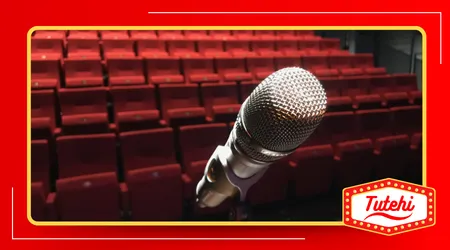
The first step in selecting the digital theater audio mixing console Ideally, this involves precisely mapping the number of physical entrances and exits needed for the show.
Consider how many wireless lapel or headset microphones will be used simultaneously, in addition to the lines dedicated to the instruments of the orchestra or live band.
Also consider the number of outputs needed to power the main PA system, stage monitor speakers, and surround sound effects.
The internal software architecture should be intuitive, facilitating the rapid training of resident technicians or guest operators who will be running the presentation season.
Check for the presence of good quality motorized faders, as they suffer intense wear and tear during the constant scene changes throughout each session.
Do not neglect the system's expansion capabilities through stageboxes digital, ensuring that the console remains up-to-date for the next decades of heavy use.
Investing in brands with authorized national technical support prevents severe headaches should any unforeseen hardware problems occur in the middle of the theatrical season.
+ Lighting design in theater and its function in the performance.
Conclusion
The implementation of digital theater audio mixing console It redefines the artistic quality of productions, elevating sound design to a prominent level in the scenic narrative.
The precision of digital resources frees the sound designer to focus on creativity, knowing that the technical aspects are rigorously protected by the automation of the integrated system.
By combining reliable hardware, ongoing training, and network planning, your theater will be ready to thrill audiences with an immersive and unforgettable sound experience.
To deepen your practical knowledge of stage mixing techniques and live sound engineering, we recommend exploring the educational portal of [Company Name]. Sound Design Live, an international benchmark in the sector.
Frequently Asked Questions (FAQ)
What is the difference between an analog and a digital mixing console for theater?
Analog mixing consoles process sound through continuous electrical circuits and require external peripherals for effects.
The digital mixing console converts sound into data, incorporating internal processors, automation, and scene saving in a compact format.
What does the Total Recall feature mean on digital consoles?
THE Total Recall It allows you to save absolutely all the console settings, such as volumes, equalizations, and effects, in a digital file.
This file can be retrieved instantly with the click of a single button by the technical operator.
Is it possible to control a digital theater audio console remotely?
Yes, the vast majority of modern consoles have dedicated apps for tablets and computers. This allows the sound engineer to adjust the sound from anywhere in the audience or on stage via Wi-Fi wireless network.
How does the Dante protocol help with the theater's sound system?
The Dante protocol replaces heavy analog multicore cables with lightweight and inexpensive network cables. It transmits dozens of digital audio channels with near-zero latency and without suffering from external electrical interference.