
Marking rehearsals and the spatial design of the staging
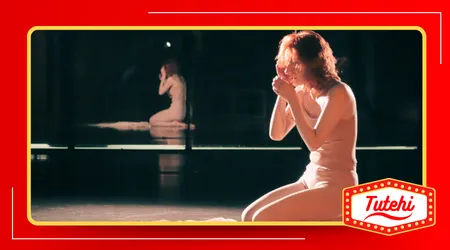
You marking tests They constitute the backbone of any theatrical production that aims to be professional, defining how the actor's body inhabits and subverts the emptiness of the stage to create a living narrative.
Advertisement
In this technical dive, we'll deconstruct the complexity behind this vital stage of staging. You'll understand how spatial design dictates the rhythm of audience reception and the operational safety of the teams themselves.
Below, I have structured the cardinal points that govern the architecture of contemporary stage movement. It is the path to transforming mere dramatic intentions into trajectories that are simultaneously precise and visually breathtaking.
Summary
- The technical nature of stage blocking
- The relationship between space and visual narrative.
- Practical applications of stage topography
- Differences between marking and directed improvisation
- Technology and light in space design.
- Frequently Asked Questions (FAQ)
What are blocking rehearsals and what is their actual function in theatre?
The stage of marking tests It serves to establish a kind of invisible choreography, organizing the flow of entries and strategic positioning in relation to the physical mass of the set.
The director uses this time to dissect the lines of sight. The goal is to ensure that the main action is never lost in blind spots, respecting the geometry of the room.
Advertisement
Unlike theoretical desk work, here the priority is pure three-dimensionality. The actor needs to internalize the physical "why" of each step, merging internal motivation with geometric rigor.
It is at this critical moment that safe distances are defined for handling objects and interacting with moving objects. Without this, the risk of accidents and technical interruptions grows exponentially.
In large-scale productions, every step is documented by stage managerA rigorous navigation map is created that serves as a safe harbor for the entire cast and crew.
How does the spatial design of the staging affect the audience's perception?
Spatial design is never neutral; it carries a symbolism that communicates hierarchies and psychological tensions long before the first dialogue is uttered by the cast on stage.
Playing with different levels of height or depth instantly alters the perception of power. A character on a higher plane dominates, visually and psychologically, those situated on lower levels of the stage.
The physical distance between the performers is the barometer of intimacy. The director manipulates negative space to project feelings of isolation, oppression, or euphoria, guiding the viewer's gaze.
Attentive set designers work to ensure that the space is a dynamic element. Movement should seem like an extension of thought, preventing the stage from becoming a static and lifeless painting.
When the marking tests As the films reach maturity, the transitions between scenes flow seamlessly. The audience remains immersed, oblivious to the complex logistical engineering that takes place behind the scenes.
Theatrical semiotics suggests that diagonal movements tend to generate instability and dynamism, while horizontal movements convey weight and permanence. This technical choice defines the entire visual identity of the work.
+ Backstage in theatre and the invisible logistics of the scene.
What are the main areas of the stage used for blocking?
Understanding the classic topography of the stage is fundamental for anyone who wants to navigate between tradition and avant-garde. Mastering these areas facilitates technical communication between departments.
+ Lighting design in theater and its function in the performance.
| Stage Area | Main Features | Common Psychological Effect |
| Proscenius (Front) | Absolute proximity to the audience. | Confession, breaking the fourth wall. |
| Center Stage | The epicenter of visual balance. | Ultimate authority, absolute focus. |
| Backstage (Wings) | A zone of mystery and depth. | Omission, danger, echoes of the past. |
| Sides (Left/Right) | Flow and transition points. | External conflict, passage of time. |
How important are light and sound in spatial design?
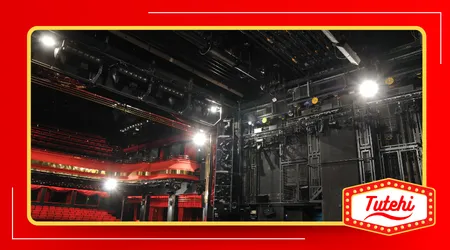
Lighting is the chisel that carves out space, validating the choices of direction. Without light that understands the demarcation, the planned spatial design becomes a confusing mess.
The highlighter should be a shadow present in the marking tests, creating focal points that embrace the movement. This integration ensures that the actor's expression is never swallowed by the shadows.
Sound also defines invisible boundaries. Directional sound design suggests vast environments or claustrophobic cells, dictating how the actor's body should react and contract within that specific sound environment.
In 2026, tracking sensors allow light to organically follow movement. However, the human sensitivity developed in the marking tests It remains the cornerstone of theatrical truth.
The symbiosis between the light map and the physical trajectory creates the necessary atmosphere for catharsis. The space ceases to be a wooden floor and becomes a purely poetic territory.
Why should marking be organic and not a mechanical process?
A recurring mistake in rushed productions is to rigidify the blocking, turning actors into chess pieces that merely "clock in" without any real connection to the urgency of the scene.
Organic staging must stem from a motor need. If a character crosses the stage, there must be an internal impulse that justifies the movement, making the technique invisible to onlookers.
Us marking testsThe director needs to know how to listen to what the space is telling the cast. Often, the actor's body detects an opportunity or an obstacle that the plan on paper ignored.
The balance between geometric rigor and intuitive freedom defines the excellence of a staging. The blocking is the necessary guide, but the actor is the one who sets the pace and the feeling.
Exhaustive repetitions serve to naturalize the process. When the cast stops "searching for solid ground," spontaneity flourishes, allowing each performance to maintain the vigor and freshness of a premiere.
+ Behind the Scenes of Theatre: An Analysis of Theatre Lighting Strategies
Final Reflections
Mastering the marking tests It separates amateur theatre from high performance. The spatial design functions as a silent language that manipulates the audience's perception and emotion from beginning to end.
Through this technical organization and respect for the stage's zones of influence, the staging gains density. The physical space dissolves to give way to an autonomous and vibrant universe.
May this technical guide have sparked new perspectives for your future projects. Accuracy in space is what enables true artistic expression and sophistication in the theatrical experience.
To expand your research on the evolution of scenography and spatial thinking, I recommend the collection of... Itaú Cultural Institute, a pillar of the memory of performing arts in Brazil.
FAQ – Frequently Asked Questions
How much time should the scheduling take up in the timeline?
Ideally, between 20% and 30% of rehearsal time is reserved for rough blocking. Fine adjustments, however, are made up until the dress rehearsals with costumes and lighting.
What to do when an actor loses their stage presence?
Marking errors create "holes" in the lighting or risk of collision. The actor must be trained to find the next light source or set reference discreetly and immediately.
Is there a real difference between blocking and choreography?
While staging prioritizes the dramatic and functional logic of movement, choreography focuses on aesthetics and rhythm. In musical theatre, the two disciplines become inseparable.
What's the best way to record these transactions?
"Spike tape" (colored tapes) is used on stage and coded notes are written in the director's script. Today, aerial video recordings (top-down shots) are valuable revision tools.
Is it common to change the lineup after the debut?
Avoid it as much as possible. Any change of half a meter can misalign lighting settings and... cues Regarding sound. Changes only occur due to extreme safety needs or cast replacements.