
Object theatre and the dramaturgy of the inanimate.
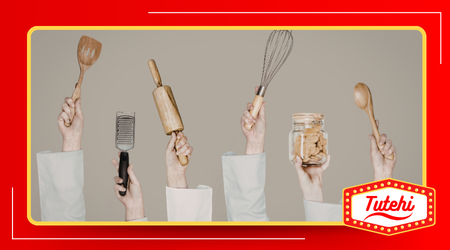
THE object theater It is a contemporary trend that revolutionizes the scene by transforming everyday objects into protagonists endowed with symbolic and poetic weight, and profound dramatic density.
Advertisement
In this language, the actor not only manipulates, but establishes a dialogical relationship with the material, allowing the physical form of the item to guide the narrative and emotion.
In this comprehensive guide, we will explore the roots, techniques, and aesthetic impact of this art form that redefines the boundaries of representation and imagination on the modern stage.
Summary
- What defines object theatre?
- The historical evolution of dramaturgy using inanimate objects.
- Essential techniques for organic manipulation.
- The role of the "actor-animator" in the contemporary scene.
- FAQ: Frequently asked questions about the genre.
What is object theatre and how does it differ from puppet theatre?
Although they share the roots of animation, the object theater It is distinguished by preserving the original identity of the material, without the need to create anthropomorphic or handcrafted figures.
While the puppet is constructed to represent a specific character, the object used in this technique carries with it the memory of its primary utilitarian function in the real world.
Advertisement
Dramaturgy arises precisely from the displacement of meaning, where a simple coffee pot can represent a lonely widow or an army, depending on the manipulator's intention.
This practice requires the viewer to mentally complete the image, transforming the reception of the work into an active exercise of creativity and constant reinterpretation of daily life.
The purity of the finished object (the ready-made This artistic approach allows complex philosophical questions to be addressed with a visual simplicity that directly impacts the subconscious of the audience.
What are the historical origins of this artistic language?
The movement gained significant momentum in Europe during the 1970s, especially in France, with groups seeking to break with the rigidity of traditional classical puppetry.
Names like Christian Carrignon and the Theatre of Cuisine They were pioneers in using toys and household items to narrate classic epics on small, intimate stages.
They realized that the "object metaphor" possessed a unique political and social power, capable of reflecting consumer society through its own waste and products.
Currently, the object theater It is studied in global reference centers, such as the Ecole Nationale Superieure des Arts de la Marionnette (ESNAM), which trains multidisciplinary artists.
This evolution has consolidated the genre as an autonomous language, where the script is written based on the physical possibilities, textures, and sounds emitted by each chosen element.
In Brazil, international festivals brought this aesthetic to our lands, influencing companies that today blend physical theater with the animation of diverse organic and industrial elements.
How to create a dramatic narrative based on inanimate objects?
Writing for this genre doesn't begin on paper, but rather with the tactile and visual exploration of each element selected to compose the scene and the narrative.
The playwright must observe the weight, color, and sound of the material, allowing the intrinsic characteristics of the item to dictate the rhythm and progression of the conflict.
A pair of scissors doesn't move like a piece of fabric; therefore, the logic of the movement must respect the physics of the piece to maintain the necessary stage realism.
Node object theaterSilence and pauses are fundamental tools, as they allow the audience's projection to fill the space between the animator and the subject.
The script is usually episodic or visual, focusing on visual transformations that subvert the object's original purpose to create metaphors about the human and existential condition.
++ Radio theatre and dramaturgy constructed through sound.
What are the main technical differences in handling?
Unlike the technique of using threads or gloves, here the manipulator is usually clearly visible, acting as a master of ceremonies who introduces the material universe to the viewer.
The manipulation is direct, requiring precision in the actor's points of support and gaze, which must guide the audience's attention to the focus of the dramatic action.
++ The Awakening of Neo-Absurdism: How Cinema and Theatre are Redefining Chaos in 2026
| Technical Element | Traditional Puppet Theater | Object Theatre |
| Origin of the Piece | Built for the piece | Ready-made everyday object |
| Narrative Focus | Character psychology | Metaphor and symbolism |
| Visibility | A manipulator, often hidden. | Handler usually visible |
| Aesthetics | Realism or stylization | Minimalism and reinterpretation |
| Target audience | Often childish | Mostly adult/hybrid |
What is the importance of minimalist set design in this context?

In this genre, the table is usually the main stage, functioning as sacred territory where the laws of physics can be altered by the artist's creative hand.
Lighting plays a crucial role, as cast shadows can magnify the scale of a small screw, transforming it into a gigantic tower or an imminent threat.
The void surrounding the focus of action is essential for the object theater Take a breath, avoiding excessive visual information that pollutes the central message.
Every set design detail must have a clear narrative function, because in minimalism, the presence of any unnecessary item can distract attention and break the poetic illusion.
Contemporary artists use video cameras to project macro details, allowing minute variations in matter to be appreciated by large audiences in large theaters.
Who are the leading current exponents of the genre in the world?
The international scene in 2026 highlights collectives that fuse digital technology with the rawness of unprocessed materials, creating immersive experiences that challenge human sensory perception.
Companies like the Belgian one Señor Serrano Group they use object theater Alongside real-time projections, this will be used to discuss migration crises, capitalism, and the impact of social networks.
In France, the festival Midi-Pyrénées It continues to be a hotbed of innovation, showcasing works that explore everything from synthetic biology to the disposal of technological waste as narrative elements.
These artists demonstrate that the dramaturgy of the inanimate is a fertile ground for political experimentation, allowing for biting social criticism through the manipulation of pop culture icons.
The strength of these works lies in their ability to communicate universal themes without the need for lengthy dialogues, using visual language as a bridge between different cultures and languages.
How should an actor prepare for animating objects?
The training involves developing a keen awareness of the energy that flows through physical contact with materials of varying densities, temperatures, and textures.
The actor needs to shed their ego to become a channel, ensuring that the focus remains on the item and not on their physical performance or facial expressions.
Studying the "life of matter" requires patience, observing how wind, gravity, and friction influence the natural behavior of each piece in the stage space.
Practice the object theater It requires technical mastery over focusing the gaze, because wherever the actor looks, the audience directs their attention and expectations of action.
The puppeteer's breathing must be in sync with the movement of the piece, creating an illusion of organic vitality that convinces the viewer of the "soul" of the inanimate object.
What are the ethical and sustainable challenges in choosing the material?
In 2026, environmental awareness permeates the choice of materials, leading artists to prioritize the use of recycled items or those found in urban and industrial waste disposal contexts.
The object found carries a "patina of time," a past history that adds aesthetic and ethical value to the work, connecting art with the reality of the planet.
This responsible choice reinforces the artist's authority as a social thinker who questions the product life cycle and our relationship with consumption.
Working with the object theater Sustainability requires creativity to transform what would be trash into visual poetry, proving that beauty does not depend on vast financial resources.
The authenticity of the scene is amplified when the audience recognizes a common item from their own routine being elevated to the status of a work of art and a tool for reflection.
++ Satirical comedy and political criticism in theatrical performances
Why does this genre appeal so much to adult audiences today?
The sophistication of the metaphors and the ability to address complex themes in a concise manner make this language extremely appealing to viewers seeking depth and aesthetic innovation.
The contemporary public, saturated with perfect digital images, finds in object theater A tactile and analog connection that recaptures the essence of the human and artisanal experience.
There is an intellectual pleasure in decoding the proposed signs, where the viewer's mind actively works to construct the meanings behind each movement and transformation.
The economy of means used in these productions allows for a rare intimacy, creating a space of vulnerability and sincerity that resonates strongly with the existential questions of today.
This genre proves that the most powerful dramaturgy can emerge from the simplest things, provided there is a watchful eye and a sensitive hand to bring them to life.
To deepen your knowledge of the performing arts and the history of animated forms, visit the portal of... UNIMA (Union Internationale de la Marionnette), a world reference.
Epilogue of the Matter
THE object theater It has established itself as one of the most vibrant and honest forms of artistic expression in the 21st century, combining material simplicity with the complexity of critical thought.
By giving voice to the inanimate, theater invites us to look at the world around us with more care, empathy, and, above all, with a renewed imagination.
FAQ: Frequently Asked Questions
Can any object be used in theater?
Yes, provided it possesses both symbolic and physical potential for the scene. The choice depends on the narrative and the relationship the artist intends to establish with the material.
Is it necessary to know how to act in order to do object theatre?
Although the focus is on the subject, knowledge of rhythm, stage presence, and focus is fundamental for the animation to be convincing and convey the desired emotion.
Is there a written script for these plays?
Yes, but the script is usually a score of actions and images. Spoken text may exist, but it is often secondary to the physical action.
Where can I study this technique in Brazil?
Several theater groups and universities offer workshops and extension courses focused on animated forms and contemporary object theater in various regions of the country.