
The legacy of major current Brazilian theater festivals.
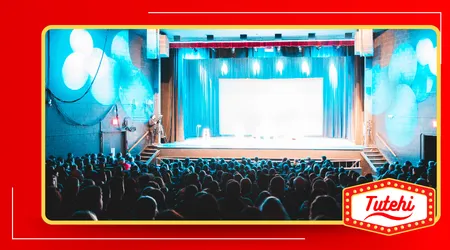
You major current Brazilian theater festivals They are transforming the country's cultural dynamics by decentralizing access to art and fostering the creative economy.
Advertisement
These artistic events serve as true showcases of contemporary national and international theatrical production.
The profound impact of these events extends far beyond the stage and directly affects the formation of new audiences.
Understanding the landscape of the performing arts requires a close look at how these encounters shape the cultural identity of various Brazilian regions.
Through courageous and diverse curatorial approaches, the events promote essential dialogues about contemporary society and its urgent needs.
Advertisement
This article analyzes the social, economic, and artistic impacts that these celebrations have on our territory.
Reading this content will allow you to learn about the behind-the-scenes aspects and practical implications of these major celebrations in Brazilian drama.
To facilitate your navigation and understanding of the dynamics discussed, we have provided a structured summary below with the main topics of this analysis.
Keep reading to discover the transformative power of Brazilian theater at its maximum collective potential.
Summary
- What is the socioeconomic impact of performing arts festivals?
- How do events promote national cultural decentralization?
- Who are the key players in innovation on stage?
- Actual Data on Theatre Festivals in 2026
- Conclusion
- FAQ (Frequently Asked Questions)
What is the socioeconomic impact of performing arts festivals?
The relevance of major current Brazilian theater festivals This is clearly evident in the financial activity of the cities that host the shows.
The cultural tourism sector receives a massive boost with the arrival of artistic groups, journalists, and spectators from abroad.
Hotels, restaurants, and local transportation are experiencing high demand, generating immediate employment and income.
Public and private investments attracted through incentive laws return to the community in the form of consumption.
Technical professionals such as set designers, lighting technicians, and stagehands find crucial opportunities for work and professional advancement during these periods.
The cultural production chain demonstrates its strength by injecting capital directly into the local economy.
In parallel, the social legacy is consolidated through free workshops, academic debates, and practical workshops offered during official programs.
Young students from low-income backgrounds gain access to mentorship from leading figures in the theater scene, broadening their horizons and career prospects.
Community development occurs when the population takes ownership of these rich artistic experiences.
How do events promote national cultural decentralization?
Promoting the circulation of shows outside the traditional production hubs is the trump card of... major current Brazilian theater festivals.
Established festivals in the interior of São Paulo state or in peripheral capitals ensure that complex productions reach historically underserved audiences.
Aesthetic democratization occurs when different performing arts languages break down geographical and social barriers.
The occupation of public squares, parks, and historical sites transforms the urban landscape into a space for democratic coexistence.
Free street performances eliminate the invisible obstacles that often keep the average citizen away from theaters.
Art becomes part of everyday life, modifying public perception of collective space.
The cultural exchange promoted by these platforms allows groups from the North and Northeast to share their research with the South and Southeast.
This aesthetic decentralization enriches the artists' repertoire and revitalizes theater criticism with new narratives.
The heart of Brazil finds a powerful voice on festival stages to express its pain and identity.
THE Curitiba Theatre FestivalFor example, it serves as a vital barometer for independent production through the Fringe.
This model attracts hundreds of companies seeking visibility and the exchange of experiences in a vibrant environment. The result is an inclusive landscape that redefines the course of national innovation with each cycle.
Who are the key players in innovation on stage?
Directors, playwrights, and peripheral collectives dictate the pace of renewal of... major current Brazilian theater festivals with disruptive proposals.
The hybridization of languages, combining documentary theatre with digital technologies and performative interventions, marks the productions of this season.
The stages become arenas for experimentation where aesthetic risk is celebrated and encouraged by the curators.
Urgent themes such as the climate crisis, gender issues, and the recovery of erased memories are central to contemporary artistic debates.
The creators use the scene to challenge reality and propose new ways of engaging with the audience. The innovation lies not only in the technology, but in the courage to address the present.
Local groups also play a prominent role, being featured prominently in the main programs of these events.
Valuing local talent encourages the continuation of regional theatrical research after the festivities have ended. The spotlight is shared equally between the tradition of the masters and the audacity of the youth.
+ How to remove noise from night photos on your cell phone.
Actual Data on Theatre Festivals in 2026
Below, we present a detailed overview of the technical and operational landscape of two of the biggest names in Brazilian theater this year.
The data highlight the scale of the logistical effort and the community reach of these initiatives that transform cities into stages.
+ The role of women in Brazilian theater directing today.
| Impact Indicator (Year 2026) | Curitiba Theatre Festival (34th Edition) | Rio Preto International Theatre Festival – FIT |
| Volume of Attractions / Projects | More than 400 attractions integrated into the program. | 401 national and international projects submitted. |
| Accessibility Policy | Sessions with Audio Description and Sign Language | Free 100% programming available everywhere. |
| Occupied Spaces in the City | Partner theaters, squares, streets and bars | 18 distinct points in the municipal urban grid |
| Focus on Local Development | Lúcia Camargo Exhibition and Fringe Circuit | A historic record with 10 local productions on the schedule. |
What is the role of stage design in the visual identity of performances?
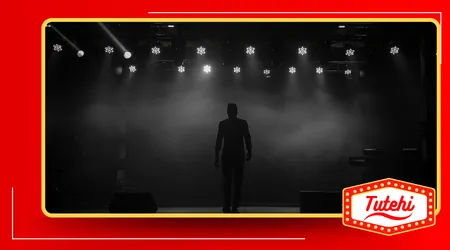
The backstage infrastructure proves to be just as crucial to the success of the performances as the actors' direct performance under the spotlights.
The complex set designs, mechanical suspension systems, and technical bracing provide the necessary safety for the bold aesthetic to materialize on stage.
This engineering, invisible to the general public, defines the rhythm of the scene transitions and dictates the atmospheric tone of dense dramatic narratives.
Therefore, valuing the workers who build the visual aspect of the festivals is to recognize the essential mechanism that sustains the very magic and evolution of national theater.
+ How Brazilian university theater trains new artists.
Conclusion
The legacy left by major current Brazilian theater festivals It consolidates the performing arts as an indispensable tool for social transformation.
They prove that investment in culture generates measurable returns in the economy, education, and the well-being of the population.
The power of in-person gatherings is reaffirmed as an act of resistance and humanitarian celebration.
The cultural landscape of 2026 demonstrates that the partnership between public authorities, private initiative, and the artistic community remains essential for the sector.
Keeping these structures active means protecting the living memory of the Brazilian people and encouraging future generations of creators.
The theater scene continues to thrive, remaining decentralized and deeply connected to the reality of the country.
To follow reviews of the plays and coverage of upcoming artistic events, visit the website of Funarte, which documents policies supporting the performing arts scene.
Keep an eye on your region's cultural calendar and don't miss the opportunity to experience the magic of the stage. Support the national scene and be a part of this story in motion.
FAQ (Frequently Asked Questions)
How do theater festivals select the shows for their program?
Official curatorial teams make selections through public calls for entries or direct invitations to outstanding productions.
The curators analyze criteria such as thematic relevance, technical quality, aesthetic innovation, and logistical feasibility to put together the program.
What is the difference between the official film festival and the Fringe circuit?
The official program features shows selected directly by the festival's curatorial team, often with production costs covered by the event.
The Fringe operates as an open and independent showcase, where the companies themselves manage their costs, ticketing, and performance venues.
How can the public participate in the training activities?
Those interested should check the official festival websites, which openly offer registration for workshops, lectures, and debates.
These activities are usually free and aim to promote the exchange of knowledge between professionals and the local community.