
Theater in Rio de Janeiro and a tradition on the national scene.
THE Theater in Rio de Janeiro It carries that mystique of being, simultaneously, an open-air museum and a frenetic laboratory where Brazilian identity is tested every night.
Advertisement
In this immersion into the Rio de Janeiro scene, we will explore the machinery that drives the stages, the venues that are temples of acting, and the impact of technology on production in 2026.
Summary
- The Historical Legacy of the Rio de Janeiro Stage
- What are the most important theaters in Rio?
- How Will Technology Transform the Scene in 2026?
- Where to Find the Best Cultural Programming?
- Industry Data and Statistics for 2026
- Perspectives and FAQs
The Historical Legacy of the Rio de Janeiro Stage
Understanding Rio requires viewing theater not as leisure, but as a reflection of a country that arrived with the Royal Family and was officially established in 1808.
Since the old Royal Theatre of São João, the stage in Rio de Janeiro has served as a backdrop for the joys and sorrows of a nation in constant search of its own definition.
The theatrical tradition of the Southeast region of Brazil defies the obvious: it is a vibrant record of our political, aesthetic, and social ruptures, translated into bodies that occupy the stage space.
Advertisement
Many of the legendary figures of Brazilian dramaturgy honed their methods here, exporting a way of acting that is now our greatest creative asset abroad.
THE Theater in Rio de Janeiro The current production balances the weight of this history with an almost youthful curiosity, blending large budgets with the most visceral group theatre.
Navigating this scene means encountering everything from dense drama to the biting humor of the new revue theatre, proving that diversity is our only rule.
All this activity sustains a complex ecosystem of artisans, technicians, and thinkers who make culture one of the most productive and symbolic industries in the state today.
Delving into this trajectory allows us to understand that each round of applause in Rio echoes an artistic resistance that spans centuries and remains curiously lucid and relevant.
What are the most important theaters in Rio?
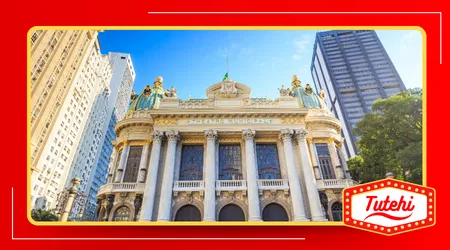
The Municipal Theater emerges like an architectural mirage in Cinelândia, with its details that seem to whisper stories of a tropical Belle Époque that still stubbornly resists.
It's not just an opera house; it's a manifesto of stone and bronze that anchors high culture amidst the urban chaos of downtown Rio.
In the southern part of the city, the Teatro Poeira and Teatro Leblon have become synonymous with an artistic rigor that attracts those seeking denser texts and surgically precise performances.
Frequently, the Theater in Rio de Janeiro It reinvents itself in hubs like CCBB or Oi Futuro, where the digital and the physical merge seamlessly.
These spaces capture the attention of an audience that is no longer satisfied with just the fourth wall, demanding experiences that transcend the simple act of observing.
For those who want to escape the commercial circuit, the hills of Santa Teresa and the warehouses of Lapa hide collectives that make theater a provocative political and aesthetic act.
The curation of these venues is what keeps Rio at the top: there is a commitment to ensuring that the viewer does not leave the theater the same way they entered.
How Will Technology Transform the Scene in 2026?
This year, augmented reality and projection mapping have gone from being luxury accessories to becoming the backbone of many narratives on Rio's stages.
The viewer in 2026 doesn't just watch; they are immersed in fluid scenographies that react to the sound of the actor's voice or the subtle movement of intelligent lighting.
Hybrid 8K broadcasts have definitively broken down geographical boundaries, allowing a play in Leblon to be experienced in real time by someone in the interior of Acre.
This connectivity has not cooled the human connection in theater; on the contrary, it has amplified the urgency of face-to-face encounters, now surrounded by rich and surprising digital layers.
The breath of Theater in Rio de Janeiro In this technological age, management is also crucial, with artificial intelligence optimizing everything from acoustics to energy efficiency.
Lighting systems now operate with biometric sensors, translating the emotional state of the scene into color hues that envelop the audience in an almost hypnotic atmosphere.
Set designers abandoned static sketches in favor of dynamic models, where the stage physically changes shape, defying gravity and the traditional visual logic of ancient theaters.
This technological vanguard positions Rio as the leading exporter of creative solutions to the Latin American market, combining our well-known inventiveness with cutting-edge technology.
Where to Find the Best Cultural Programming?
Mapping out what to see requires a keen eye for guides that steer clear of the commercial, exploring the seasons that span from Botafogo to the stages of Barra.
Post-show discussions have become the new norm, transforming the end of the play into a forum where audience and cast dissect the work to understand its creative mechanisms.
Events like the Rio Film Festival continue to be the pinnacle, where world premieres test their first steps before one of the most critical audiences in the world.
To live the Theater in Rio de Janeiro It's about understanding that the city breathes fiction to cope with reality, offering options ranging from luxury to free performances in public squares.
Subscribing to newsletters from independent fashion houses is the secret to discovering gems before they become huge hits, guaranteeing a privileged vantage point to observe the emergence of new phenomena.
The sharp and experienced critics of Rio de Janeiro continue to act as an essential filter, helping to separate pure marketing from truly transformative art today.
Investing in a small venue in Botafogo could reveal a talent that will soon be dominating the screens, given the incredible quality of the local technical training.
+ Theater production in Brazil and the financial aspects behind the scenes.
Industry Data and Statistics for 2026
Below are the figures that illustrate the sheer size of this industry and how it sustains the creative economy of Rio de Janeiro during this period of expansion.
+ National scene: the urgent debate on accessibility to theater in Brazil
| Market Metrics (2026) | Real Statistics | Relevance in the Scenario |
| Theaters in Action | 145 rooms | Highest concentration in the country |
| Consumer Public | 4.2 million/year | An increase of 15% compared to the previous year. |
| Job Creation | 28,000 direct | Economic engine of the Central Zone |
| Investment Volume | R$ 320 million | Focus on technology and art sponsorships. |
| Variety of Poster | 85 pieces/month | The most diverse catalog in Latin America. |
Sustainability in Current Productions

Environmental ethics now dictate the rules behind the scenes in Rio de Janeiro, with modular sets and circular economy costumes that eliminate the old concept of "theatrical waste."
Many performance venues have switched to solar power, transforming the roofs of historic theaters into clean energy plants that power the heavy machinery for the lighting.
This stance reflects a collective awareness among artists, who understand that the stage should project not only beautiful stories, but also a sense of responsibility towards the real world.
Younger audiences prioritize companies that demonstrate this care, creating positive pressure that raises the ethical standards of the entire national cultural production chain.
THE Theater in Rio de Janeiro It educates through the content of the pieces and, above all, through the transparency in how these works are physically constructed for a conscious audience.
Shared costume and set banks between groups facilitate longer seasons, proving that collaboration is far more profitable than unrestrained competition.
The result is a scene that doesn't waste resources, but rather ignites ideas, remaining financially and ecologically sustainable in a world that no longer accepts waste.
+ National scene and the importance of the Cenym Award for Brazilian theater.
Perspectives
The Rio de Janeiro scene continues to be the great beacon of national aesthetics, renewing its strength with each curtain that opens in the various corners of the marvelous city.
Being in the theater today is to witness the successful marriage between the heritage of the past and the audacity of a future that is already knocking on the dressing room door.
Between historic buildings and new high-tech structures, what remains is the actor's truth, that spark that no technology can replicate with the same soul.
To protect and frequent the Theater in Rio de Janeiro It's an exercise in cultural citizenship, a toast to our eternal capacity to create new worlds within our own.
To understand the funding policies that keep these stages alive, the portal of Ministry of Culture It offers a comprehensive overview of current laws and incentives.
FAQ – Frequently Asked Questions
What's the best day to find cheap tickets?
Wednesdays and Thursdays often offer reduced prices or "pay what you can" promotions at various theaters in downtown and the southern zone of Rio de Janeiro.
How do you know if a garment is suitable for children?
The age rating is strict, but it's worth checking the theaters' websites for descriptions of the themes covered, ensuring an enriching experience for all ages.
Does Rio have a theater with simultaneous translation?
Yes, major international productions and specific festivals offer real-time translation and subtitling devices, making it easier for tourists and foreign visitors to access the content.
Is it safe to go to the theater downtown at night?
Areas with a high concentration of cultural activities, such as Cinelândia, have increased police presence and a large circulation of people during the times when the main shows end.