
Playwrights censored in Brazil and their artistic and cultural legacy.
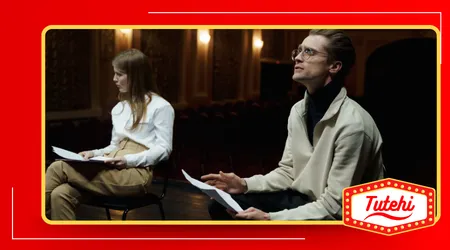
The history of national theater bears deep marks of periods of strong institutional repression. Studying the Playwrights censored in Brazil It reveals how artistic creativity has withstood the darkest moments of our politics.
Advertisement
This detailed analysis investigates the mechanisms of state control that have attempted to silence powerful voices from the stage.
Understanding this process helps to appreciate the cultural heritage that shaped the country's contemporary artistic identity.
In this article, you will understand the impact of censorship on theatrical production and learn about the most persecuted authors.
Discover also how these banned works transformed into historical symbols of democratic resistance.
Advertisement
Summary
- Who were the main playwrights censored in Brazil?
- How did the theatrical censorship structure work in the country?
- What were the most censored plays in history?
- What is the artistic and cultural legacy of these banned works?
- Frequently Asked Questions (FAQ)
Who were the main playwrights censored in Brazil?
Several authors faced severe bans on their works during the 20th century, especially during the military dictatorship.
Prominent figures in our dramatic literature suffered systematic persecution that limited the dissemination of their work.
Augusto Boal stands out as a central figure in this scenario of resistance and innovation on the national stage.
The creator of the Theatre of the Oppressed used art as a tool for active social and political awareness.
Another key figure affected by institutional restrictions was the Rio de Janeiro-born journalist and writer Nelson Rodrigues.
His innovative plays subverted the traditional morals of the middle class, attracting the constant scrutiny of censors.
Plínio Marcos was also among those Playwrights censored in Brazil due to the stark realism of his writing.
He portrayed urban marginality in a direct way, deeply disturbing the defenders of good morals of the time.
Oswaldo de Andrade and Dias Gomes complete the list of brilliant minds monitored by the state apparatus. Their works questioned the power structures and social injustices present in the daily lives of the Brazilian population.
How did the theatrical censorship structure work in the country?
The control of cultural production was structured through the Public Entertainment Censorship Service (SCDP).
This body would pre-evaluate theatrical texts before authorizing any staging or public performance.
Federal censors reviewed screenplays from the perspective of national security and public morality. Any mention of political criticism, sexual freedom, or social dissent resulted in severe cuts or bans.
With the enactment of Institutional Act Number Five in 1968, cultural repression became even more violent.
Prior vetting eliminated the possibility of artistic expressions that could threaten the regime in place at the time.
Many Playwrights censored in Brazil They had to resort to using pseudonyms to make their creations viable in theaters.
This strategy temporarily bypassed government archives, allowing urgent messages to reach attentive viewers.
The persecution was not limited to written texts, but also affected directors, actors, and set designers during rehearsals.
Entire performances were interrupted by armed police officers, creating a constant atmosphere of fear and insecurity.
What were the most censored plays in history?
Brazilian theater production includes iconic shows that were completely banned by government authorities for years.
These works have become historical symbols of social and aesthetic protest against the established institutional authoritarianism.
The play "Calabar: The Praise of Treason," written by Chico Buarque and Ruy Guerra, is a classic example. The production was entirely banned in 1973, causing immense financial losses to the producers involved.
Dias Gomes faced severe resistance with "O Berço do Herói" (The Cradle of the Hero), a work that inspired the famous telenovela Roque Santeiro.
The text questioned militarism and the creation of false national myths by the dominant political forces.
To understand the scope of this control, the table below presents consolidated data on significant vetoes that occurred during the period.
The information reflects the intensity of the State's censorship activity against the main creators of our dramaturgy.
++ Brazilian pocket theater and alternative performance spaces
| Year of the Veto | Theatrical Work | Main Author | Official Justification from the Censor |
| 1965 | The Cradle of the Hero | Dias Gomes | Subversion of order and military critique |
| 1968 | Razor in the Flesh | Pliny Mark | An attack on good customs and morality. |
| 1973 | Calabar | Chico Buarque and Ruy Guerra | Distortion of national historical facts |
| 1975 | Heartbreaker | Oduvaldo Vianna Filho | Harmful left-wing ideological content |
What is the artistic and cultural legacy of these banned works?
The legacy left by the persecuted authors radically transformed the aesthetics of contemporary theater produced in the country.
The need to overcome censorship spurred the creation of rich metaphors and innovative stage languages.
Brazilian theater has learned to engage with audiences through sophisticated subtext and refined irony in its dialogue.
This aesthetic resistance ensured the survival of the country's cultural identity even under adverse political conditions.
The censors' reports today serve as valuable documents for the study of our political history.
Currently, the texts of Playwrights censored in Brazil They are staged by new generations with enormous box office success.
These modern montages reclaim collective memory and promote essential debates about fundamental democratic rights.
Celebrating this heritage means recognizing the value of theater as a sacred space for critical reflection and citizenship.
The resilience of those artists ensures that the curtains continue to open for the free expression of thought.
++ Scenic history and legacies of historic theater architecture in the country.
The Horizon of Scenic Memory
The trajectory of authors who challenged state control demonstrates the transformative power of national dramatic art.
Even in the face of severe punishment, these creators maintained a commitment to the social reality of the people.
Remembering the difficulties faced by Playwrights censored in Brazil It strengthens permanent vigilance against any attempt at cultural regression.
The artistic legacy built in adversity remains a living heritage of our contemporary society.
The study of theatrical history invites us to value the creative freedom achieved with so much sacrifice. Knowing the past is the surest way to guarantee a future with free and diverse stages.
To deepen your understanding of the cultural policies of the time, consult the detailed collection of... National Library, which preserves fundamental records of Brazilian artistic memory.
Here is a new H2 section developed under the same editorial guidelines — focused on real searches, with a fluid pace, organic writing, and no clichés:
What strategies did theaters use to circumvent the censors?
Daily life under the shadow of the Public Entertainment Censorship Service (SCDP) demanded almost surgical cunning from artists.
When a text was sent to Brasília, a bureaucratic chess game began where the piece's survival depended on its ability to camouflage intentions. The first line of defense was aesthetic: exchanging the direct pamphlet for a refined metaphor.
While explicit social criticism guaranteed an immediate veto, subtle irony and double meanings often managed to go unnoticed by the less attentive eyes of state officials.
Another recurring tactic was the strategic use of pseudonyms. Authors already blacklisted by the regime signed their works with fictitious names or those of relatives to clear the text's history in government archives.
It was common for casts to rehearse two versions of the same show: a restrained and well-behaved one, presented exclusively on the day of the official censorship inspection, and the real, organic, and provocative version, which went on stage on opening nights with the complicit audience.
++ São Paulo theater in the 1960s and its dramaturgical transformation.
FAQ – Frequently Asked Questions
Who was the most censored playwright during the military dictatorship?
Plínio Marcos is considered one of the authors most targeted by the state's repressive apparatus during the military regime.
His works depicted the reality of marginalized groups, accumulating dozens of partial or total vetoes.
What motivated the censorship against Nelson Rodrigues?
Nelson Rodrigues' plays faced controversy due to their content, which was considered immoral by the traditional society of the time.
His writings dealt with intense family dramas, adultery, crimes of passion, and sexual taboos with extreme bluntness.
How did artists evade federal censorship?
The creators used pseudonyms to anonymously register their texts with government oversight bodies.
Furthermore, they rewrote passages using complex metaphors and double meanings that went unnoticed by the employees.
What was the economic impact of censorship on the theater?
The ban on shows on the eve of their premiere caused severe financial losses for producers, actors, and technicians.
Investments in sets, costumes, and theater rentals were being lost without any form of state compensation.
Where can I find the original documents produced by the censors?
The reports, censors' opinions, and theatrical texts with original cuts are kept in official public archives.
The National Archives preserves a large part of this documentary collection, available for consultation by researchers and students.