
Theater production in Brazil and the financial aspects behind the scenes.

You financial backstage Studies of theatrical production in Brazil reveal a complex ecosystem where art and economic management need to work in complete harmony for success.
Advertisement
Understanding how resources circulate between incentive laws, ticket sales, and direct sponsorships is fundamental for any professional or enthusiast who wants to understand the current cultural machinery.
In this guide, we will explore the budgetary nuances that underpin Brazilian stages in 2026, offering a detailed technical overview of the market.
The structure of this article was designed to address crucial questions about the viability of shows, from small productions to large musicals.
We will discuss the limitations of fundraising, the most commonly used funding sources, and the direct impact of the creative economy on the national Gross Domestic Product (GDP).
Advertisement
You will have access to up-to-date data and planning strategies that define the success or failure of a theatrical season in the contemporary landscape.
Table of Contents
- How does theater funding work in Brazil?
- What are the main costs of a stage production?
- Where can we find resources besides incentive laws?
- What is the impact of the Rouanet Law on the 2026 budgets?
- Comparative table of fundraising limits by category.
- Perspectives and closure.
- FAQ: Frequently asked questions about finances in theatre.
How does theater funding work in Brazil?
Understanding the flow of capital in the performing arts requires a close look at the funding mechanisms that support the diversity of genres in national theaters today.
The current funding model is essentially hybrid, mixing public resources from grants, tax incentives, and direct private investment.
Efficiency in managing these assets in financial backstage It determines the longevity of a show, allowing the work to tour different regions of Brazil without losing momentum.
The federal government establishes guidelines that seek to democratize access to capital, prioritizing projects that offer robust social benefits and real impact.
Production companies that master project development techniques are able to access specific funding sources, ensuring fair compensation for their technical and artistic teams.
This bureaucratic process, although rigorous and sometimes exhausting, is the backbone that keeps thousands of jobs active throughout the Brazilian cultural sector.
What are the main costs of a stage production?
Planning a show involves a detailed spreadsheet where each item must be budgeted with surgical precision to avoid unexpected deficits during the season.
Fixed costs typically include rent for rehearsal rooms, copyright fees, and hiring essential creative professionals.
Set designers and lighting designers form the aesthetic foundation, but their materials are subject to constant price fluctuations according to the price of basic supplies in the national market.
Us financial backstageThe largest budgetary burden usually lies in payroll and social security contributions, especially in long-term productions.
Furthermore, transportation and accommodation logistics consume significant portions of the budget when the project involves traveling to different capital cities or towns.
Investing in specialized legal and accounting advice is what separates amateurs from professionals who survive rigorous accounting scrutiny.
Where can we find resources besides incentive laws?
Many producers still believe that tax incentives are the only way out, but the 2026 market shows growth in alternative models.
Crowdfunding has become a powerful tool for projects with strong community appeal or niche audiences who want to see the project come to fruition.
Digital platforms allow the viewer to become a direct investor, receiving rewards that increase the feeling of belonging to the creative process.
Another relevant source is direct sponsorships from companies that use marketing budgets to quickly align with specific brand values.
Managing these resources in financial backstage It demands complete transparency and reports that show investors the real return on investment for the company's image.
Partnerships with the tourism sector also open doors for the sale of package deals, guaranteeing a stable minimum revenue even before the premiere.
What is the impact of the Rouanet Law on the 2026 budgets?
The Law of Incentive to Culture continues to be the main driving force behind large-scale shows and musicals with high production value in Brazil.
In 2026, the regulatory instructions established more flexible ceilings for projects that promote inclusion and national circulation, combating excessive concentration.
Companies taxed on actual profit can deduct part of the tax owed, directing those funds to cultural initiatives with zero tax cost.
Maintaining compliance in financial backstage Before the Ministry of Culture, it is a technical challenge that requires qualified professionals for daily monitoring.
The use of incentivized resources requires that the ticket price be reduced, fulfilling the requirement of democratizing access in a practical way.
This mechanism strengthens the creative economy, generating a cycle where state investment returns to society in the form of leisure and education.
++ National scene: the urgent debate on accessibility to theater in Brazil
Comparative table of fundraising limits by category (2026)
Below, we present the limit values established by current regulations for cultural projects in 2026, reflecting the maximum amount of funding allowed per proposal.
++ The national scene and the cultural networks that connect performing artists.
| Project Category | Limit for Individuals | Limit for Legal Entities | Additional Notes |
| Theatre and Dance (Standard) | R$ 500,000 | R$ 1,500,000 | Required minimum itinerary |
| Musical Theatre and Opera | R$ 1,000,000 | R$ 15,000,000 | High technical complexity |
| Festivals and Biennials | N/A | R$ 15,000,000 | Focus on regional diversity |
| Circuses and Variety Shows | R$ 500,000 | R$ 6,000,000 | Includes tarp maintenance. |
The challenge of ticket sales in the sustainability of entertainment.
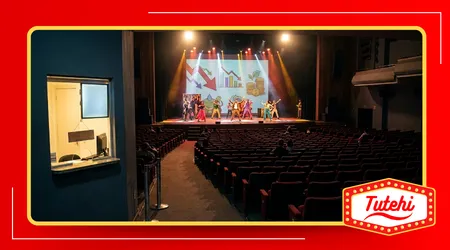
Relying solely on ticket sales is a risky bet in today's market, given the volatility of purchasing power and attention spans.
The average ticket price needs to be balanced to cover daily operational costs, such as stage technicians and support staff.
Without efficient management in financial backstageA single week of low occupancy can jeopardize months of rehearsals and heavy marketing investments.
Dynamic pricing strategies and partnerships with loyalty programs have been used by modern producers to ensure minimum occupancy on idle days.
It is crucial that cash flow is monitored in real time, allowing for quick adjustments to digital campaigns to attract the target audience.
Data intelligence applied to viewer behavior allows for predicting trends and adjusting advertising budgets in a much more rational way.
Technology as an ally in reducing operational costs.
Technological innovations are transforming the way money is spent on set design and the technical operation of cultural venues.
The use of digital set design with mapped projections reduces transportation costs and allows for more dynamic and visually impressive scene changes.
Integrate these tools into financial backstage It allows for the reallocation of funds that would be spent on heavy physical materials to areas such as talent development.
Furthermore, specific financial management software facilitates the control of invoices and automatic bank reconciliation with federal regulatory bodies.
Automating administrative processes frees up the producer to focus on attracting new partners and improving the customer experience at the theater.
Optimizing every penny is what allows smaller companies to compete in artistic quality with internationally renowned commercial productions.
++ How theatrical research and memory strengthen cultural legacy.
The future of the creative economy on stage.
The landscape of theatrical production in Brazil in 2026 demonstrates increasing maturity, where financial management is as vital as talent.
Navigate through financial backstage It requires resilience and constant updating on cultural policies and new ways in which the population consumes entertainment.
The success of a show today is measured not only by applause, but also by the economic health and sustainability of the production company involved.
Strengthening the production chain means investing in transparency and strategic partnerships that go beyond simple, one-off season sponsorship.
As the sector becomes more efficient, opportunities for new artists tend to multiply in all regions of Brazil.
To learn more about how to structure your projects, consult the Observatory of the Creative Economy For up-to-date statistical data and market trends.
FAQ: Frequently asked questions about finances in theatre
How can a budding producer raise funds for their first piece?
The most common route is through municipal or state calls for proposals, which usually reserve specific quotas for new applicants and first projects.
What is the ideal percentage of a budget to be spent on marketing?
It is recommended that between 15% and 25% of the total budget be allocated to promotion to ensure the show reaches its target audience.
Is it possible to produce a profitable theatrical production without incentive laws?
Yes, comedy shows or monologues with low operating costs often achieve sustainability solely through ticket sales and direct brand sponsorships.
What taxes apply to the sale of theater tickets?
The tax burden includes the municipal ISS tax, in addition to sales platform fees and social security contributions levied on payroll.